
The Jedi Mind Trick INC 5.2 Chair Used
How Indigenous Peoples went from 20+ treaty references to 1, and what happens next
Gosh, Plastics INC 5.2 is terrible (multilateralism-wise).
Even for UNFCCC standards…and that says something.
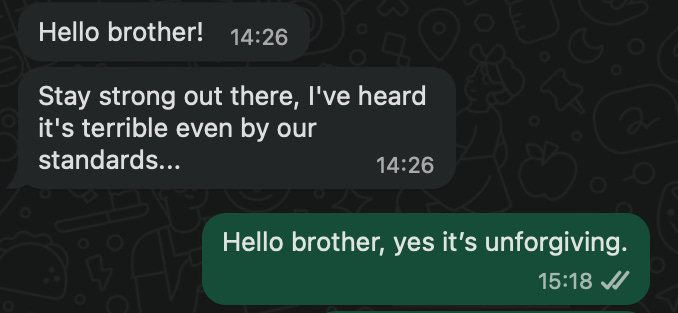
Good afternoon y’all!
Yesterday in plenary, many States took the floor and flat-out rejected the draft. Not just a few. Many.
Some were blunt. Others were frustrated but measured. The common thread? Everyone had something they didn't like.
If you've been around enough negotiating rooms, you start to notice that this isn't always a sign of failure. Sometimes, it's exactly the effect the chair wanted.
The "Ridiculous Draft" Approach
I went through the second chair's text line by line. Here's what I found:
Text leaning heavily toward petro-countries.
Only 1 preambular reference to Indigenous Peoples.
Zero references to Indigenous knowledge.
We went from 20+ mentions (albeit in brackets) to 1.
But the erasure of Indigenous Peoples was just the appetizer. The main course?
A draft written like a Convention but reading like a super soft framework.
Lots of activities and institutions, few hard controls on plastic.
Objectives in general terms without targets or timelines.
Soft language everywhere.
Qualifiers sprinkled throughout like seasoning.
Translation: This treaty, on its own, won't drive large reductions in plastic pollution. These soft obligations are theater, not teeth.
If I were chairing INC 5.2, with Member States so far apart they could be in different galaxies, I'd be tempted to pull the same move: Write a draft so absurd, so lopsided, that the only thing it achieves is making everyone unite against me.
It works because of predictable psychological effects:
Common Enemy Effect: People who normally disagree will rally together against a shared threat. Here, the text itself.
Contrast Effect: After seeing something extreme, anything else feels reasonable.
Reactance Theory: Push too far, and people push back together.
Anchoring: The first draft sets the reference point. Every revision lives in its shadow.
Loss Aversion: People work harder to avoid a perceived loss than to secure an equal gain.
The trick? Give the room a common problem to solve. Unity against the text becomes unity in the process.
The Zig-Zag Chair Play
Here's the more sophisticated version, and exactly what happened at INC 5.2:
