
That Empty Chair....
How Indigenous Peoples’ hard-won UN seat becomes our most visible failure.
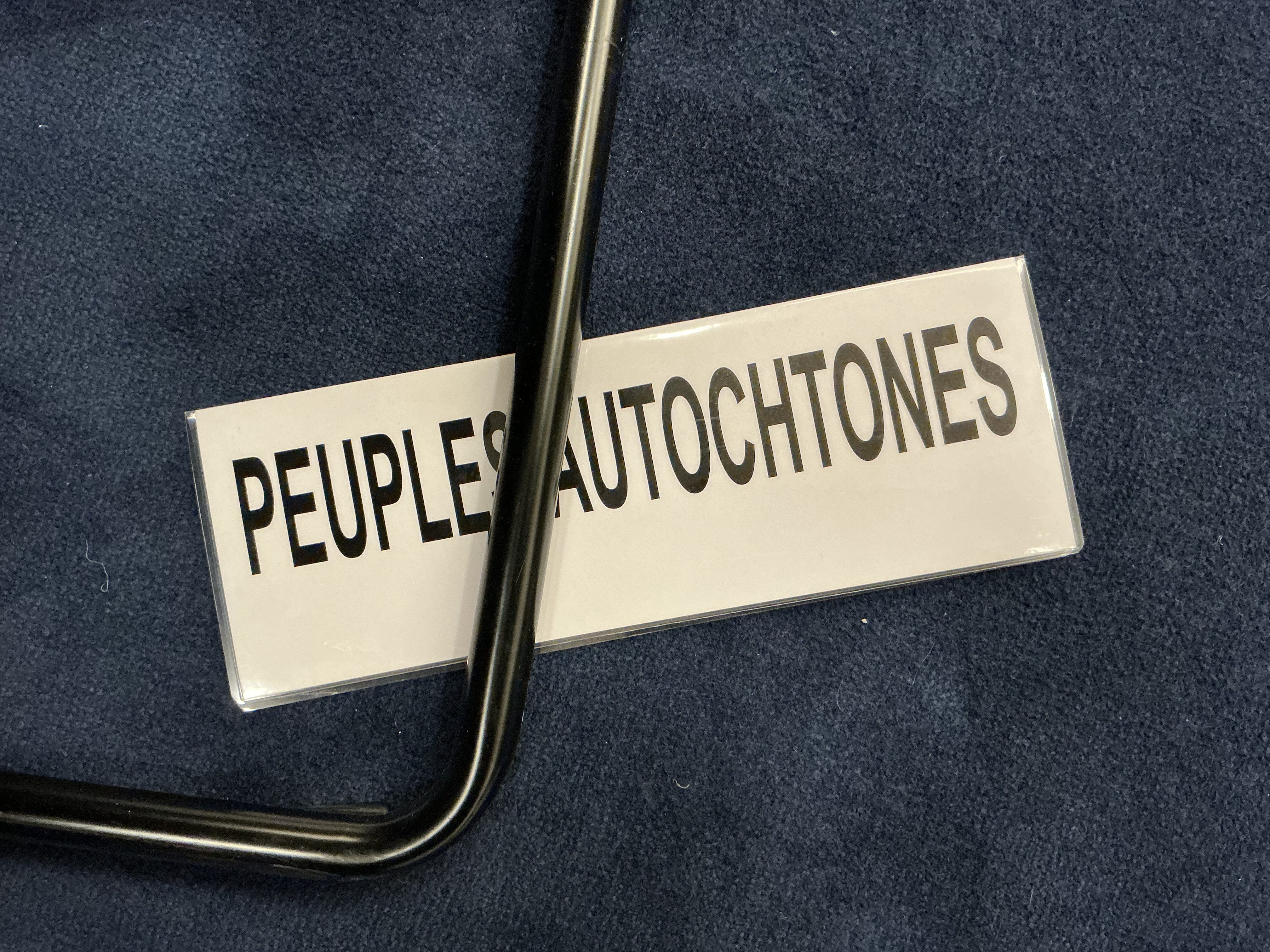
You’re looking at power made visible.
That placard reading “PEUPLES AUTOCHTONES” took decades of participation, thousands of hours in UN hallways, and generations of Indigenous leaders who refused to accept second-class participation. After watching 476 million Indigenous Peoples get spoken about instead of spoken with for too long. That’s below the surface, the creation of the placard took 2 years, strategic thinking, and a healthy dose of constructive ambiguity.
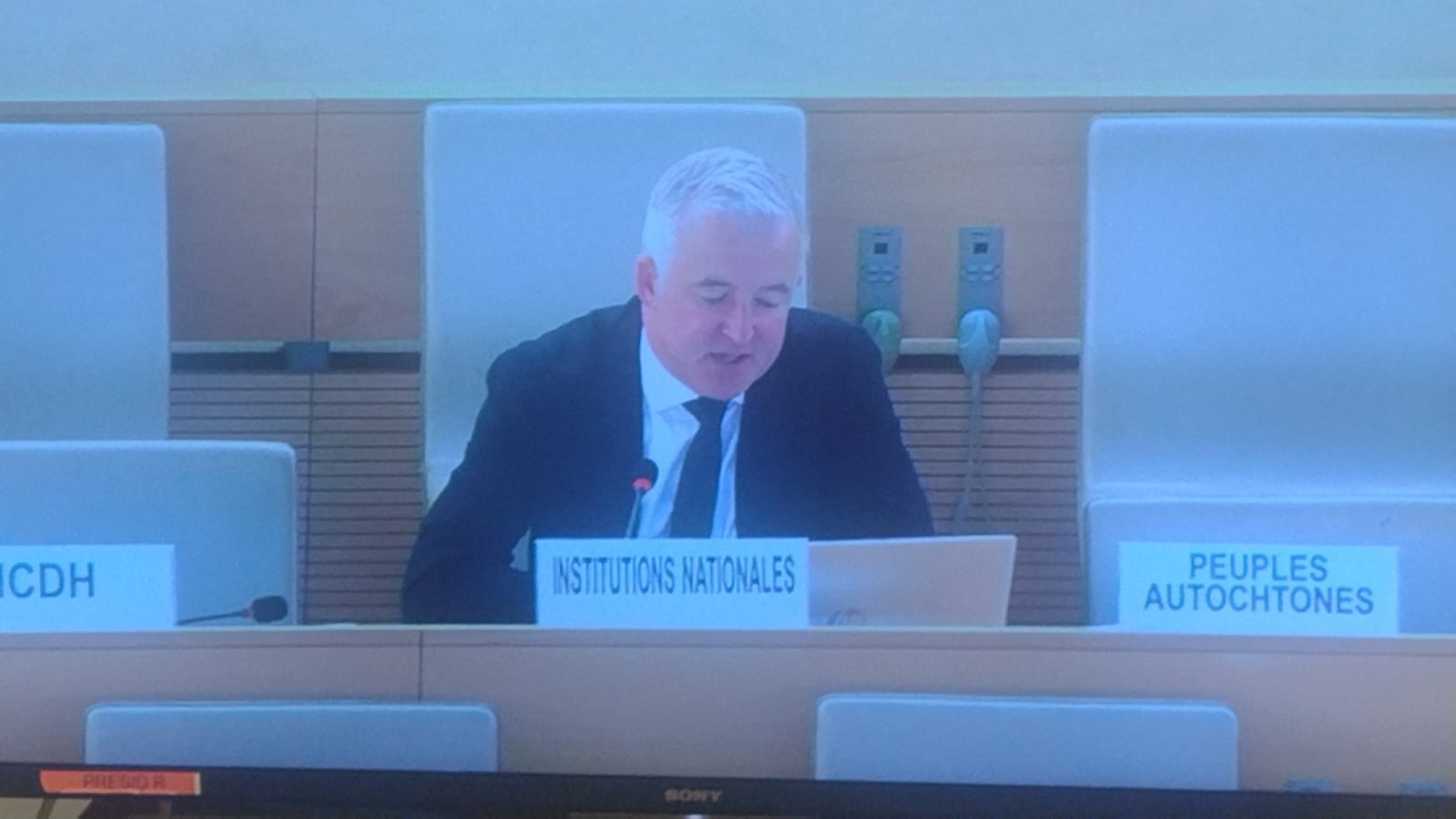
I was in the room when we finally secured it. Not just for show. For the interactive dialogues with EMRIP and the Special Rapporteur. And, as of the 63rd session of the Human Rights Council it will also include the the annual panel on Indigenous Peoples. Meaning for 2 days in September, Indigenous Peoples can speak from behind this seat. Not from the NGO section. From behind our own “flag”.
Here’s the thing though.
When I’m in New York negotiating ocean biodiversity or in Bonn working on carbon markets, that chair sits empty. An empty seat during HRC sends the same message: We fought for a seat at the table, then couldn’t figure out how to keep someone in it.
That’s why I want to talk today about the gap between winning rights and operationalizing power.
The Political Statement Nobody’s Making
Think of it like this.
Every UN process is a chess board. The placard is our queen on the board. Most powerful piece available. But a queen sitting in the corner while the game happens elsewhere is just decoration.
Throughout the year, States walk past that empty chair. Sceptical delegations notice. The message lands: Indigenous Peoples demanded participation, got it, then disappeared. That’s not the story, I know….but perception creates political reality.
Some say this placard should be exclusively for Indigenous Peoples’ representative institutions. To be honest, those are the people who only want to see the cosmetic side. They’re mixing up visibility with strategy.
I said it in the informal negotiations on the Indigenous Peoples resolution last week. These are two separate tracks of participation for two separate categories. Representative institutions have their track. Indigenous organizations have theirs. Both matter. Both need presence. At some point we could have “Indigenous Peoples Organizations” (IPO) as a placard as shown at the Expert Mechanism this year but on participation we need to lay low in 2026.
Back to the current issue.
What I’m trying to say is that the real problem isn’t who sits there. What I’m afraid of is that too often, nobody sits there.
Why Your Best Leaders Can’t Be Everywhere
Mind you, this isn’t about individual failure.
Our most effective diplomats are stretched across multiple UN pillars. Take the International Indian Treaty Council for example: While I’m in Geneva for the Human Rights Council, Rochelle is in Rome for FAO, Ambassador Leon in Panama for a CBD meeting. And next month we rotate again.
The same people trying to cover everything.
Not this September session. But, while I’m defending our rights in Human Rights Council negotiations in June and March, our chair in the General Assembly Hall sits empty. Not because we don’t care. Because I can’t physically be in two places at once.
Here’s what States don’t understand.
When Norway sends a negotiator to Geneva, they have a team already at the mission, another team in Oslo, ministeries, coordinators, basically lots of institutional backup. We? We have WhatsApp groups and good intentions. When Indigenous Peoples send someone, it’s usually that person’s personal savings, borrowed time from their day job, and zero institutional support when they return home.
Here’s the challenge I see: We won the right to participate. We never built the infrastructure to sustain it.
The Infrastructure We Never Built
To be very honest, this is a design flaw the movement created.
We fought so hard for the seat(s), we forgot to plan for keeping it occupied. Like building a house then realizing you forgot to install electricity. The structure’s there. But it can’t function.
That’s why I’m building a deliberate pipeline into the BBNJ. It’s a lesson learned from watching other processes fail to create this pipeline. Sure, there’s the voluntary fund for Indigenous Peoples under the OHCHR and CBD but they send people to the big meetings. Not to the meat and potatoes meetings. So at the BBNJ we’re not just securing participation rights, we’re designing the infrastructure to actually use them.
Also, its no secret that New York is super expensive, well my friends, Geneva is worse. And looking at my bank account, I’m horribly aware of it. But with the great participatory rights we create, comes even greater responsibilities. Our responsibility isn’t just to demand seats. It’s to ensure those seats aren’t only created but also filled.
What we need isn’t more Indigenous leaders burning out every three years. We need participation infrastructure that matches our ambitions. Systems so no one person carries the weight. Funding mechanisms that don’t require Indigenous leaders to choose between rent, health insurance, retirement and fighting for their rights. And, what to do so that expertise doesn’t vanish when someone steps back? (I’ll talk about that next week).
Making Participation As Logical As Gravity
Its also no secret that I want Indigenous Peoples’ participation at the UN to be as logical as gravity. Not special. Not exceptional. Just the natural order of things.
But that requires something we haven’t done yet. Strategic infrastructure.
I’m thinking: A team that coordinates participation across UN bodies. Young Indigenous leaders funded to shadow senior diplomats for a year (so not just for 2 weeks at UNPFII and 1 week at EMRIP). Digital systems that capture institutional knowledge. Ideas that prevent burnout and ensure consistent presence.
Not replacing our current diplomats. Supporting them. And also….the days of fighting for Indigenous Peoples rights shouldn’t be a struggle anymore (e.g. sleeping on someone’s couch, walking an hour across town to get to the UN, eating side-event sandwiches for dinner, flying home to find late payment letters on your doormat, etc.) those days should be behind us.
Before I drift off, let me find a landing zone. For my traditional council, the placard was never the end goal. It was the beginning. The tool that would let us reshape how global governance works. But tools need hands to use them.
Before You Go
Here’s what I like you to think about.
We have the placard. We have the right. But we’re operating like it’s still 1977.
Are we so used to fighting for access that we forgot to plan for what happens when we get it? Or are we deliberately keeping ourselves under-resourced because it’s easier to blame the system than build our own?
With the 60th Human Rights Council coming to an end I don’t want to see that chair empty. Some UN mandates may not see the concept of Indigenous as political anymore, and as a human rights one. I respectfully disagree, being Indigenous is political, and our political presence requires strategic choices. I’ve declined invitations for multiple events to just sit in the chair.
So tell me. What do you think?
Because right now, an empty chair is making our argument for us. And it’s not the argument we should be wanting.
See you next time!